



On 4 November 2026, the world’s most talked-about restaurant ranking will be revealed in Lima. It is the first time in its history that The World’s 50 Best Restaurants comes to Peru, and few cities deserve it more. Here is why Lima has become the place every chef wants to eat, and what that means for us in Amsterdam.
Two world’s best restaurants in three years
In 2023, Central, the restaurant of Virgilio Martínez and Pía León, was named The World’s Best Restaurant. Two years later, in 2025, Maido took the No.1 spot. Its chef, Mitsuharu “Micha” Tsumura, is the great ambassador of Nikkei cooking, the meeting of Japanese technique and Peruvian ingredients. Two different restaurants from the same city reaching the top in such a short time is something very few places in the world can claim.
And it is not only about the winners. The 2025 list included four restaurants from Lima: Maido (No.1), Kjolle by Pía León (No.9), Mérito by Juan Luis Martínez (No.26) and Mayta by Jaime Pesaque (No.39).
Lima in numbers
🏆 The World’s Best Restaurant: Central (2023) and Maido (2025)
🍽️ 4 Lima restaurants in The World’s 50 Best Restaurants 2025
🌎 Peru: World’s Leading Culinary Destination at the World Travel Awards, every year from 2012 to 2025 except 2020
📅 4 November 2026: The World’s 50 Best Restaurants ceremony, for the first time in Lima
Why Peruvian food took over the world
Peru’s kitchen is the result of centuries of encounters. Ancient Andean and coastal cultures gave it potatoes, corn, quinoa, chillies and a deep knowledge of the sea. Spanish, African, Chinese and Japanese migrants each added their own techniques, from the wok of chifa cooking to the precise knife work behind a tiradito. Add one of the most diverse landscapes on the planet, from the Pacific coast to the Andes and the Amazon, and you get a pantry few countries can match.
The result is food that is bright, fresh and full of contrast: the citrus of a ceviche, the heat of ají amarillo and rocoto, the smoky depth of a lomo saltado. It is cooking that feels both deeply traditional and completely modern, which is exactly what the world’s top chefs and critics have fallen in love with.

The dishes that made Lima famous
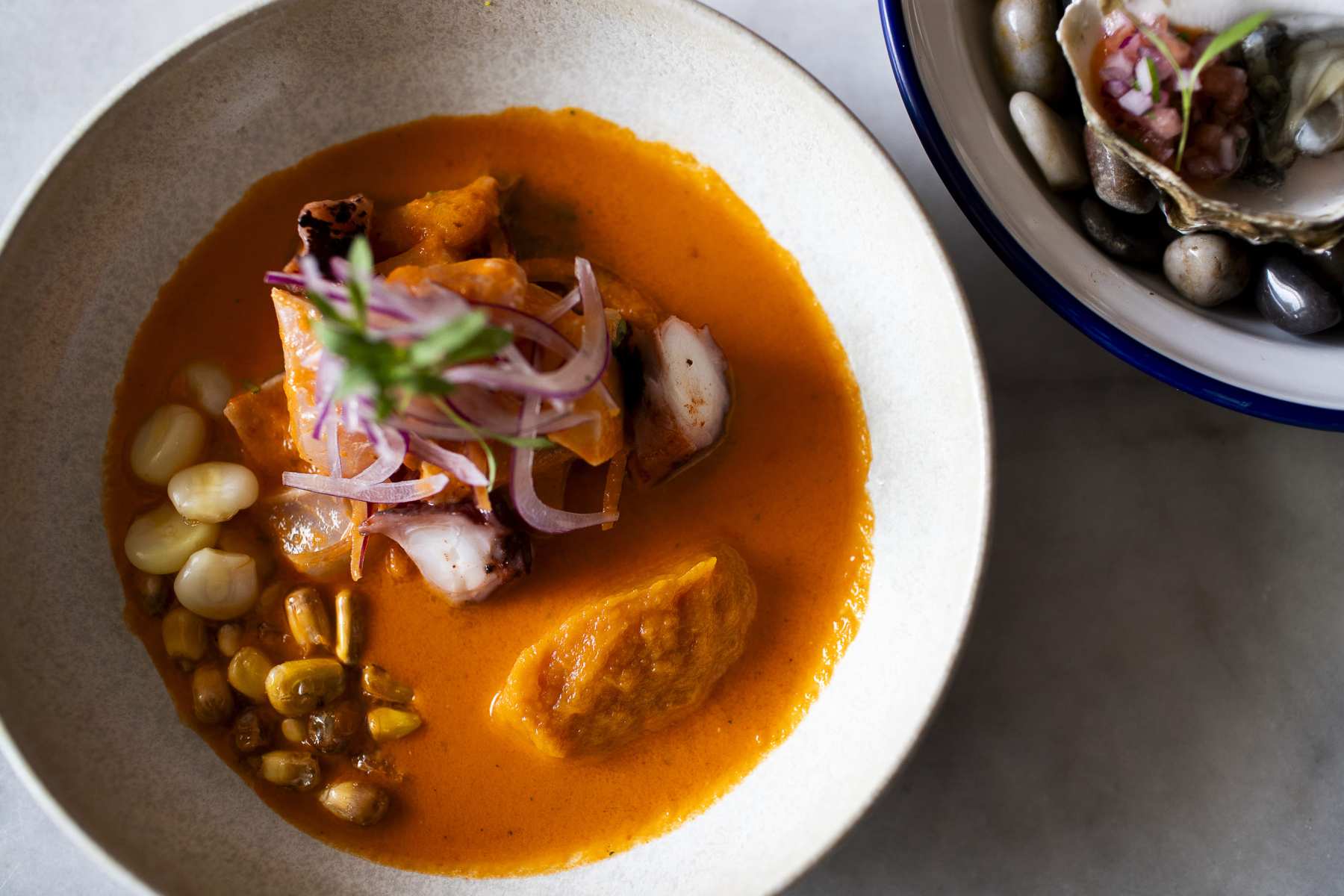
- Ceviche: fresh fish “cooked” in lime juice with ají and red onion. Peru’s national dish, and the heart of our menu.
- Leche de tigre: the citrusy, spicy marinade left behind by the ceviche, so good that Peruvians drink it on its own.
- Tiradito: thin slices of raw fish with a creamy chilli sauce, a direct result of the Japanese influence in Peru.
- Lomo saltado: beef, tomato and onion stir-fried in a wok, born from the Chinese-Peruvian kitchen.
- Pisco Sour: Peru’s national cocktail, made with pisco, lime, egg white and a few drops of bitters.
A taste of Lima in Amsterdam Oost
At Moche we bring this way of cooking to the Linnaeuskade: fresh ceviches and tiraditos, Peruvian classics to share, and a dedicated Pisco & Cocktail Bar with premium Peruvian piscos. You do not need a flight to Lima to understand why the world is talking about Peruvian food. You only need a table, a Pisco Sour and something to share.
While the culinary world gathers in Lima this November, we will be following the ceremony closely. Come and celebrate Peruvian cuisine with us, every Thursday at our Pisco Experience or any evening from Tuesday to Saturday.
Sources: The World’s 50 Best Restaurants (theworlds50best.com); World Travel Awards (worldtravelawards.com).